The Role of Efficient HVAC Infrastructure in Modern Buildings
Modern buildings are designed to provide comfort, safety, and efficiency for the people who use them. Among the essential systems supporting these goals, HVAC (Heating, Ventilation, and Air Conditioning) infrastructure plays a major role. A properly designed HVAC system helps maintain comfortable indoor temperatures, improve air quality, and create a healthy and productive environment.
Why HVAC Infrastructure Is Important
HVAC systems are responsible for controlling temperature, humidity, ventilation, and indoor air quality. In offices, hospitals, hotels, commercial spaces, residential buildings, and industrial facilities, efficient climate control is essential for both occupant comfort and smooth operations.
A well-designed HVAC system can help:
- Maintain consistent indoor temperature
- Improve indoor air circulation and ventilation
- Support better indoor air quality
- Control humidity levels
- Improve occupant comfort and productivity
- Reduce unnecessary energy consumption
- Support the efficient operation of building facilities
Energy Efficiency and Cost Savings
HVAC systems can represent a significant portion of a building's energy consumption. Choosing the right equipment, properly sizing systems, and implementing efficient controls can help reduce energy usage and operating costs.
Modern HVAC solutions can include energy-efficient air conditioning systems, variable-speed equipment, smart controls, efficient ventilation systems, and automated temperature management. These technologies allow building owners to maintain comfortable conditions while making better use of energy.
Better Indoor Air Quality
Indoor air quality is another important consideration in modern buildings. Proper ventilation helps introduce fresh air while removing stale air, pollutants, odors, and excess moisture.
This becomes particularly important in environments such as hospitals, healthcare facilities, offices, schools, hotels, and commercial buildings, where large numbers of people may occupy indoor spaces for extended periods.
HVAC Design for Different Buildings
Every building has different requirements. A hospital may require carefully controlled temperature, ventilation, and air movement, while an office building may focus more on occupant comfort and energy efficiency.
Therefore, HVAC infrastructure should be designed according to factors such as:
- Building size and layout
- Occupancy levels
- Usage and operating hours
- Indoor environmental requirements
- Equipment loads
- Ventilation requirements
- Energy-efficiency goals
Proper planning at the design stage helps ensure that the system performs efficiently throughout the building's lifecycle.
Importance of Installation and Maintenance
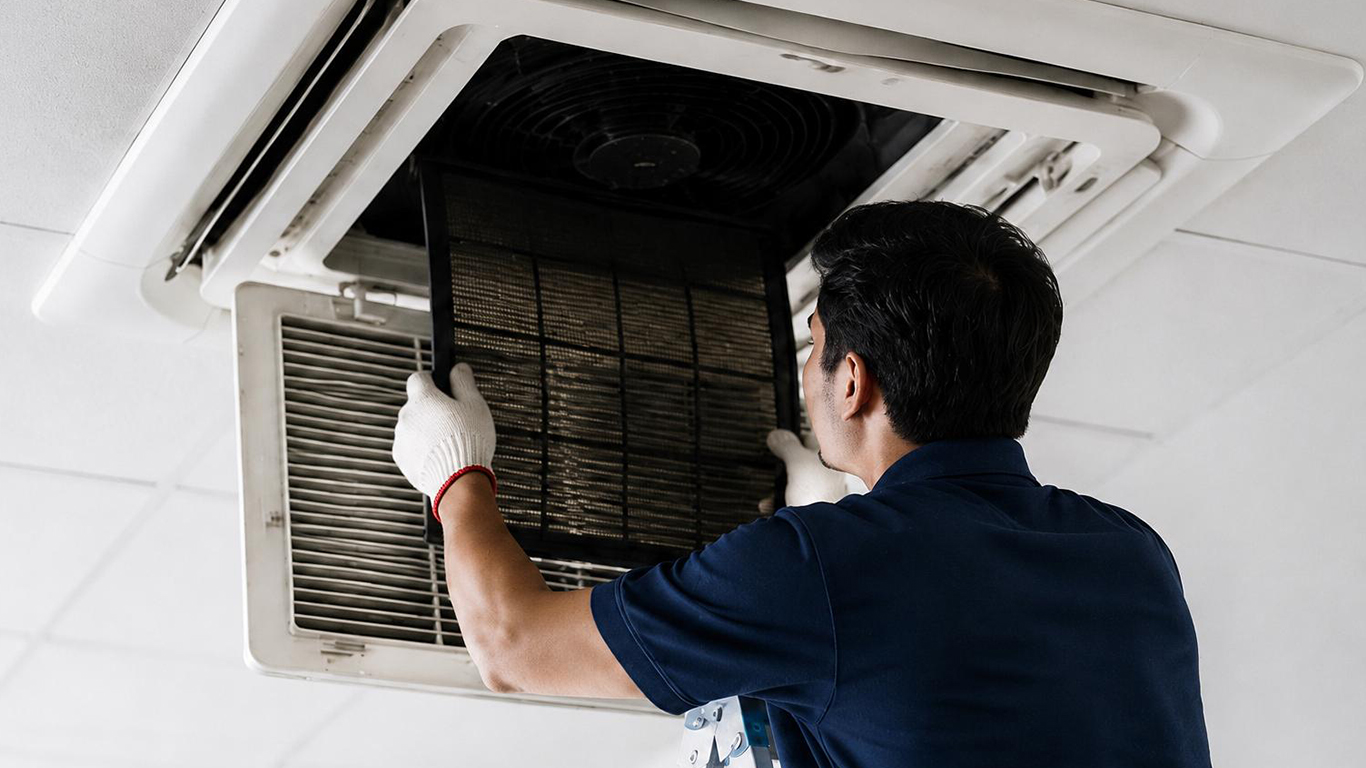
Even a high-quality HVAC system may not perform efficiently if it is incorrectly installed or poorly maintained. Professional installation, regular inspections, cleaning, servicing, and timely replacement of worn components help maintain system performance.
Regular maintenance can also help identify potential problems before they result in major breakdowns, helping reduce downtime and unexpected repair costs.
Smart HVAC Solutions for Modern Buildings
Technology is transforming the way HVAC systems are operated. Building Management Systems (BMS), smart thermostats, automated controls, sensors, and monitoring systems can provide greater control over building conditions and energy consumption.