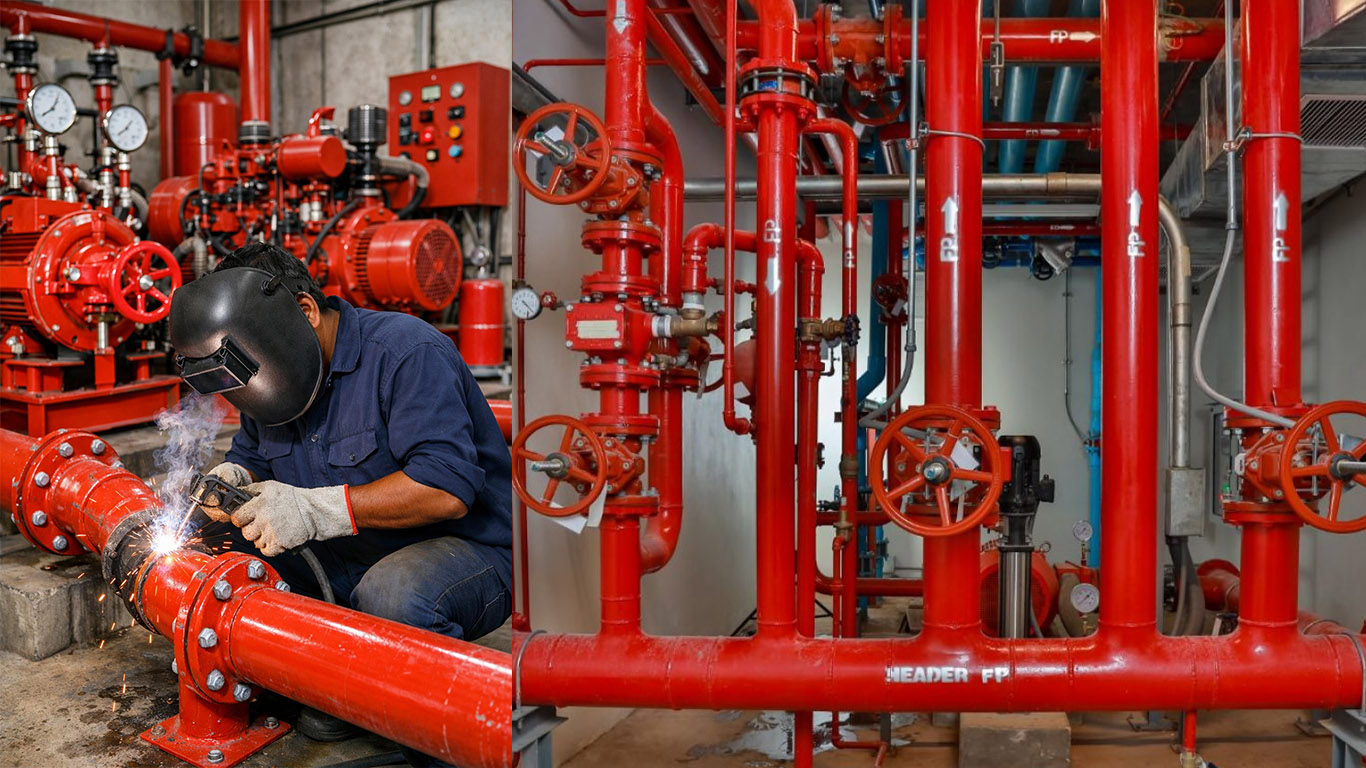
How Early Detection Can Save Lives and Property
Fire can turn from a small incident into a major emergency within a very short time. In such situations, early detection plays a critical role in protecting lives, property, equipment, and business operations. A reliable fire detection and alarm system can identify signs of fire at an early stage and provide timely alerts, giving occupants valuable time to respond and evacuate safely.
Why Early Fire Detection Matters
The biggest advantage of early detection is time. The sooner smoke, heat, or other signs of fire are detected, the sooner an alarm can be raised and appropriate action can begin. Properly designed and maintained automatic fire alarm systems are an important part of reducing potential losses to both people and property.
Early detection can help:
- Alert occupants before the fire spreads further
- Provide valuable time for safe evacuation
- Enable faster emergency response
- Reduce damage to buildings, equipment, and valuable assets
- Help protect business operations and critical infrastructure
- Support the activation of other fire protection systems
How Fire Detection Systems Work
Modern fire detection systems use different types of detectors depending on the building, environment, and level of risk. These may include smoke detectors, heat detectors, flame detectors, manual call points, fire alarm control panels, and notification devices.
When a detector identifies a potential fire condition, the system sends a signal to the fire alarm control panel, which activates the appropriate warning devices. Different detector technologies are suited to different fire characteristics and environments, so system design and device selection are important.
Protecting People
During a fire emergency, smoke can become a serious hazard even before flames reach an area. An early warning gives occupants more time to recognize the emergency, follow evacuation procedures, and reach a safe location.
For hospitals, offices, schools, hotels, residential buildings, warehouses, and industrial facilities, a dependable detection and alarm system can therefore form a crucial part of the overall life-safety strategy.
Protecting Property and Business
Fire damage is not limited to the building itself. Equipment, electrical systems, inventory, documents, data, and other critical assets can also be affected. In addition, a fire can interrupt business operations and create significant recovery costs.
Early detection helps organizations respond while the incident is still at an earlier stage, potentially limiting the extent of damage and reducing disruption. Research on very-early detection systems has also documented cases where early alerts helped prevent small incidents from escalating into major losses.
Regular Testing and Maintenance Is Essential
Installing a fire detection system is only the first step. Regular inspection, testing, servicing, and maintenance are essential to ensure that detectors, alarms, control panels, and related equipment are ready to operate when required. Official safety guidance also emphasizes the importance of reliable detection equipment and regular testing and maintenance.
A well-maintained system can help identify faults, reduce the risk of system failure, and ensure that alarms provide timely warnings during an emergency.
Building a Safer Future
Fire safety should not be treated as a one-time installation. It requires a combination of proper system design, quality installation, regular maintenance, compliance, and employee awareness.
At DYCM INFRA, we understand the importance of reliable fire protection systems for modern buildings and infrastructure. From fire detection and alarm systems to comprehensive fire safety solutions, our focus is on helping clients create safer and more resilient environments.
Conclusion
Every second matters during a fire emergency. Early detection can provide the critical time needed to alert people, begin evacuation, initiate emergency response, and reduce potential property damage.
Investing in a properly designed, installed, tested, and maintained fire detection system is not simply about compliance — it is an important step toward protecting lives, property, and business continuity.